






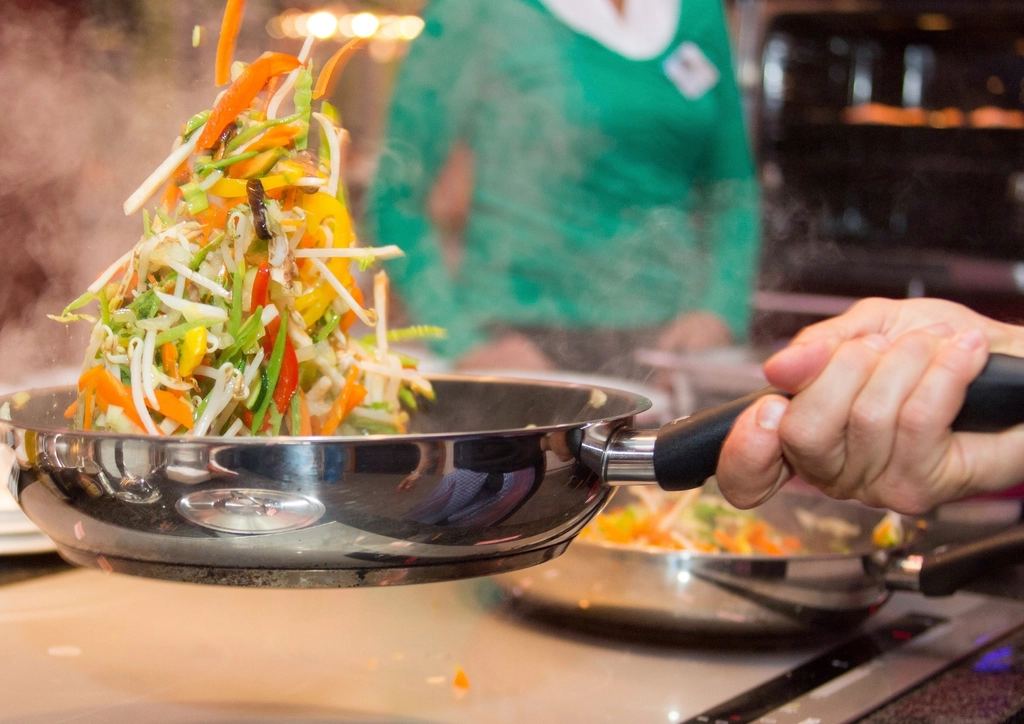

Frozen vegetables are making healthy cooking cheaper and easier, as shoppers discover that the freezer aisle holds some of the most nutritious and best-value food in the supermarket. Fresh vegetables are wonderful in season, yet out of season they can be expensive, quick to spoil and limited in variety, while frozen vegetables are picked and frozen at their peak, locking in vitamins and flavour. Nutritionists say frozen peas, spinach, broccoli and mixed vegetables are just as nutritious as fresh, and often more so, since fresh produce can lose nutrients during days of transport and storage. The price difference is striking: a bag of frozen vegetables often costs less than a single fresh equivalent, and nothing is wasted, since the bag can be opened, used and returned to the freezer. For busy cooks, the convenience is the real win, with no peeling, chopping or washing needed, and a healthy side dish ready in minutes. Dietitians say the freezer is one of the simplest tools for eating well on a budget.
What the Evidence Shows
Experts advise keeping a few staples in the freezer at all times: peas, spinach, green beans, sweetcorn and a mixed vegetable bag, which together cover most meals. Frozen vegetables work well in soups, stews, curries, stir-fries and pasta dishes, and they can be added straight from frozen without defrosting. A good habit is to add a handful to every meal, which quietly raises the vegetable intake without extra effort. Shoppers are advised to check the label for added salt or sauces, since plain frozen vegetables are the healthiest choice. Batch cooking with frozen vegetables also saves money, because a big pot of soup or stew can be frozen in portions for later. For families, nutritionists say, the message is simple: frozen vegetables are cheap, nutritious and always ready, which makes healthy eating easier every day of the week. Reporting and analysis from sources such as World Health Organization track the same developments, and specialists following frozen vegetables for healthy cooking say the direction is now consistent across independent lines of evidence.
The Wider Context
The wider context is a health system trying to move from treating illness late to preventing it early, against budgets that reward the opposite. Evidence around frozen vegetables for healthy cooking is being weighed by guideline committees that ask two questions in order: does it work, and can ordinary services actually deliver it at scale. Many good ideas pass the first test and stall on the second.
What Happens Next
What happens next for frozen vegetables for healthy cooking depends on the slow machinery of guidelines, funding and training catching up with the evidence. Patients asking about it today should expect honest answers that include uncertainty, and clinicians say a service that explains what is not yet known earns more trust than one that oversells. The research pipeline, at least, is moving in the right direction. You can follow related developments in our coverage of health.
There is a practical lesson in all of this for readers deciding what to do today. Start with the verified facts, be wary of anyone promising certainty, and prefer reversible steps while the evidence is still developing. Circumstances differ by country, income and personal situation, so general guidance should always be weighed against your own context before you act on it in any significant or lasting way.