






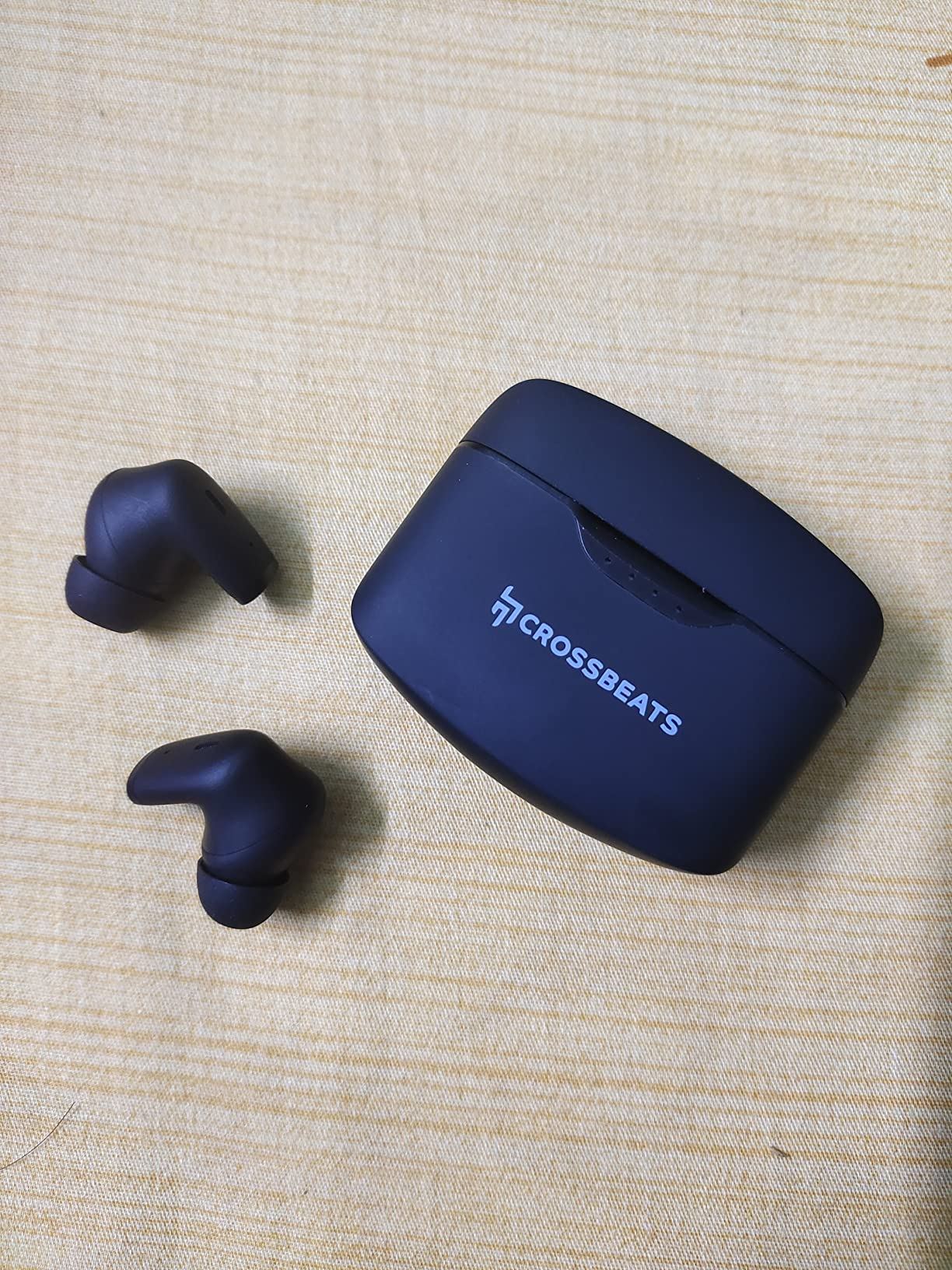

Hearing specialists are urging earbud users to pay closer attention to listening volume, after surveys found many people raise levels to overcome street and transport noise. Sound exposure depends on both volume and duration, so modest reductions sustained over long commutes can make a meaningful difference to cumulative risk. Clinicians stress that ringing ears, muffled hearing after listening or needing to shout over headphones are warning signs that habits should change promptly rather than be ignored.
What the Evidence Shows
Experts recommend using device volume limits, taking regular quiet breaks and choosing well-fitting tips that seal without requiring excessive loudness outdoors. Noise cancellation can help in predictable environments such as trains, although users still need situational awareness near traffic and cyclists around them. Parents are advised to check children’s devices too, because damage develops gradually and is usually painless at first. Regular hearing checks are sensible for anyone who listens daily at high volumes for work or leisure. Reporting and analysis from sources such as World Health Organization track the same developments, and specialists following safe earbud listening volume say the direction is now consistent across independent lines of evidence.
The Wider Context
The wider context is a health system trying to move from treating illness late to preventing it early, against budgets that reward the opposite. Evidence around safe earbud listening volume is being weighed by guideline committees that ask two questions in order: does it work, and can ordinary services actually deliver it at scale. Many good ideas pass the first test and stall on the second.
What Happens Next
What happens next for safe earbud listening volume depends on the slow machinery of guidelines, funding and training catching up with the evidence. Patients asking about it today should expect honest answers that include uncertainty, and clinicians say a service that explains what is not yet known earns more trust than one that oversells. The research pipeline, at least, is moving in the right direction. You can follow related developments in our coverage of health.
There is a practical lesson in all of this for readers deciding what to do today. Start with the verified facts, be wary of anyone promising certainty, and prefer reversible steps while the evidence is still developing. Circumstances differ by country, income and personal situation, so general guidance should always be weighed against your own context before you act on it in any significant or lasting way.
It is also worth remembering how quickly the picture in this area has changed before. Positions that looked settled a few years ago have been revised as new data arrived, and the same humility is appropriate now. The strongest coverage of this subject, and the most useful advice, tends to come from sources that update their views openly when the facts move, rather than defending an earlier position long after it has stopped fitting the evidence available.