






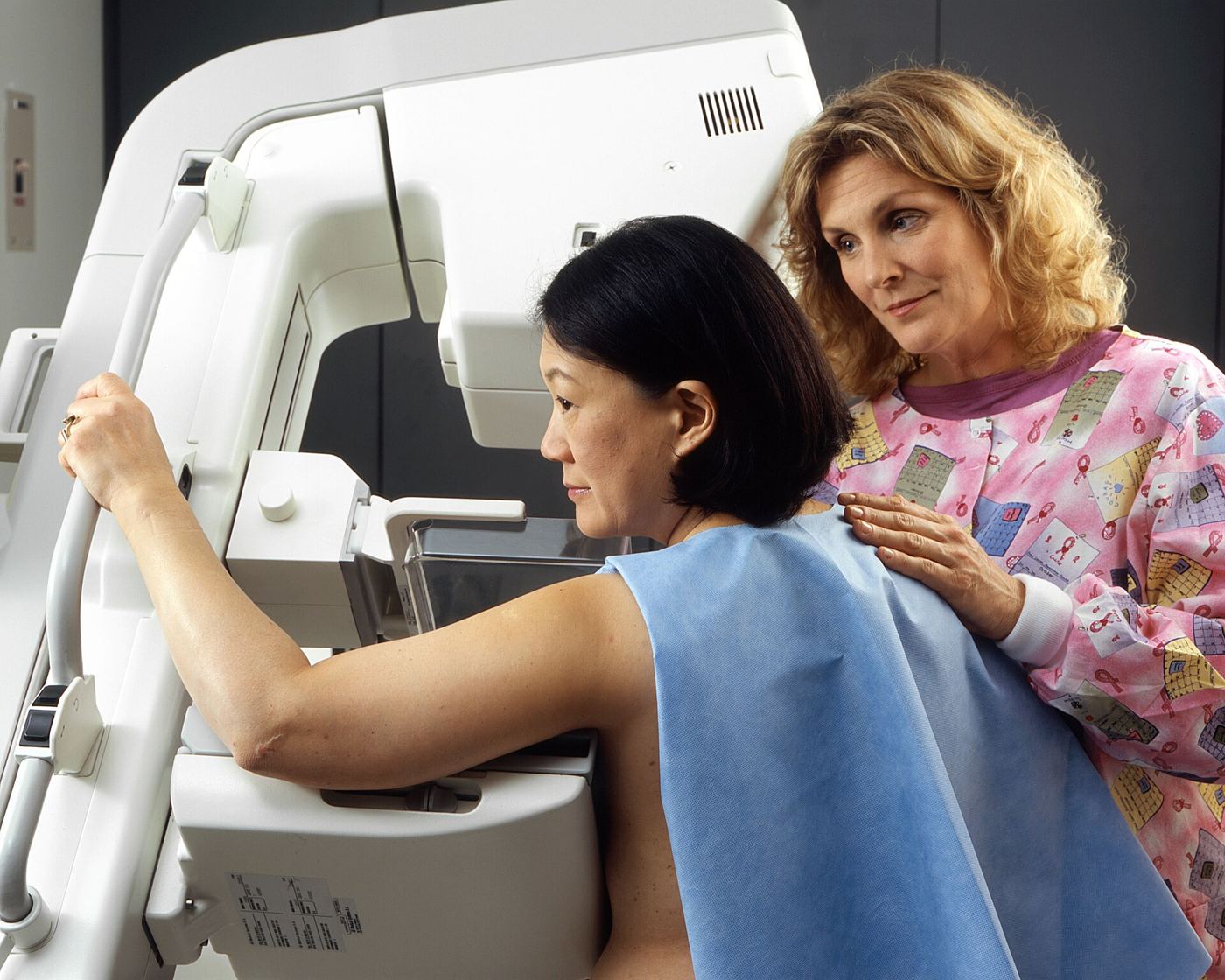

Artificial intelligence used to read mammograms has cut the number of cancers missed between screenings, according to the first randomised trial of its kind. The MASAI trial, published in The Lancet in January 2026, randomly assigned 105,934 women in Sweden to AI-supported mammography or standard double reading by radiologists. Over two years of follow-up, interval cancers, those found between scheduled screenings, fell by 12 percent in the AI group, from 1.76 to 1.55 per 1,000 women. There were 16 percent fewer invasive cancers, 21 percent fewer large cancers and 27 percent fewer aggressive cancers in the AI group, and 81 percent of cancers were caught at screening compared with 74 percent under standard reading. Cancer detection rose by 29 percent overall, while false positives stayed similar, at 1.5 percent in the AI group and 1.4 percent in the control group. Radiologists’ screen-reading workload fell by 44 percent. Lead author Dr Kristina Lång of Lund University said AI improves early detection of clinically relevant cancers.
What the Evidence Shows
Other trials point the same way. A Spanish trial published in Nature Medicine in March 2026, covering 31,301 women, found AI cut radiologist workload by 63.6 percent and raised cancer detection from 6.3 to 7.3 per 1,000 women. A study of Google’s mammography AI across five NHS screening services, published in Nature Cancer in March 2026, found the system was more sensitive than a first human reader and raised detection from 7.54 to 9.33 per 1,000 women, catching a quarter of interval cancers. But researchers urge caution: each trial used a single AI system, most covered only one screening round, and performance can shift when a system is used in a new population. Radiologists remain essential, and health services will need continuous monitoring to make sure the technology helps all groups of women equally. Reporting and analysis from sources such as World Health Organization track the same developments, and specialists following AI-supported mammography screening say the direction is now consistent across independent lines of evidence.
The Wider Context
The wider context is a health system trying to move from treating illness late to preventing it early, against budgets that reward the opposite. Evidence around AI-supported mammography screening is being weighed by guideline committees that ask two questions in order: does it work, and can ordinary services actually deliver it at scale. Many good ideas pass the first test and stall on the second.
What Happens Next
What happens next for AI-supported mammography screening depends on the slow machinery of guidelines, funding and training catching up with the evidence. Patients asking about it today should expect honest answers that include uncertainty, and clinicians say a service that explains what is not yet known earns more trust than one that oversells. The research pipeline, at least, is moving in the right direction. You can follow related developments in our coverage of health.
There is a practical lesson in all of this for readers deciding what to do today. Start with the verified facts, be wary of anyone promising certainty, and prefer reversible steps while the evidence is still developing. Circumstances differ by country, income and personal situation, so general guidance should always be weighed against your own context before you act on it in any significant or lasting way.